
Water Sanctuaries of the Roman World: Architecture, Ritual, and Local Identities
Organizzazione
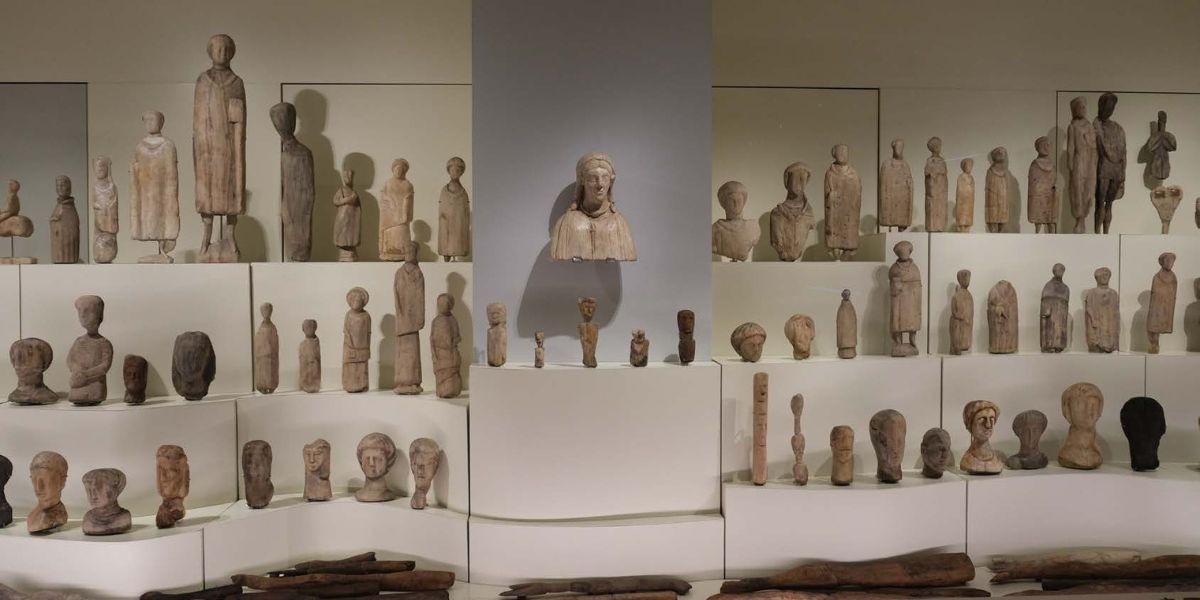
In the Roman Empire, natural water bodies such as springs and rivers were often considered sacred and became the focus of cult activity and sophisticated architectural interventions. This presentation highlights the role of water sanctuaries as repositories of an invaluable body of visual and material evidence that attests to the transformation of religious experience following the Roman colonization of the ancient Mediterranean world. It focuses on the visual and architectural manifestations of this process of cultural change, considering archaeological and epigraphic material from sites such as the source of the Seine river in France or the sacred fountain of the goddess Anna Perenna in Rome. Mediterranean water sanctuaries have traditionally been explored with attention to their healing functions, yet recent scholarship has started to reveal a broader range of ritual and symbolic associations. In addition to considering the architectural and ritual dimensions of water sanctuaries, this comparative exploration brings attention to the individual histories of ordinary men and women preserved in the numerous ex-votos, dedicatory inscriptions, and magical items found at the bottom of sacred pools.
Gretel Rodríguez | Brown University
Water Sanctuaries of the Roman World: Architecture, Ritual, and Local Identities
Img: Wooden ex-votos from the water sanctuary at Chamalières, displayed at the Musée Bargoin (Clermont-Ferrand). Photo by Gretel Rodríguez.